One of the aspects of the Alaskan Tundra I haven’t mentioned is that it makes BIF photography easier and the rest of the shots harder. Recall that the tundra is relatively flat and stretches on for miles and miles. As a result, birds in flight (BIF) don’t have trees behind them to distract the camera’s autofocus and it can track them from a long way off. If the birds aren’t in the sky then they’re on the ground (or water) because there are no trees or bushes and since these birds have some camouflage they blend into the tundra making it very difficult for the camera to find the bird, resulting in “soft” (slightly out of focus) images.
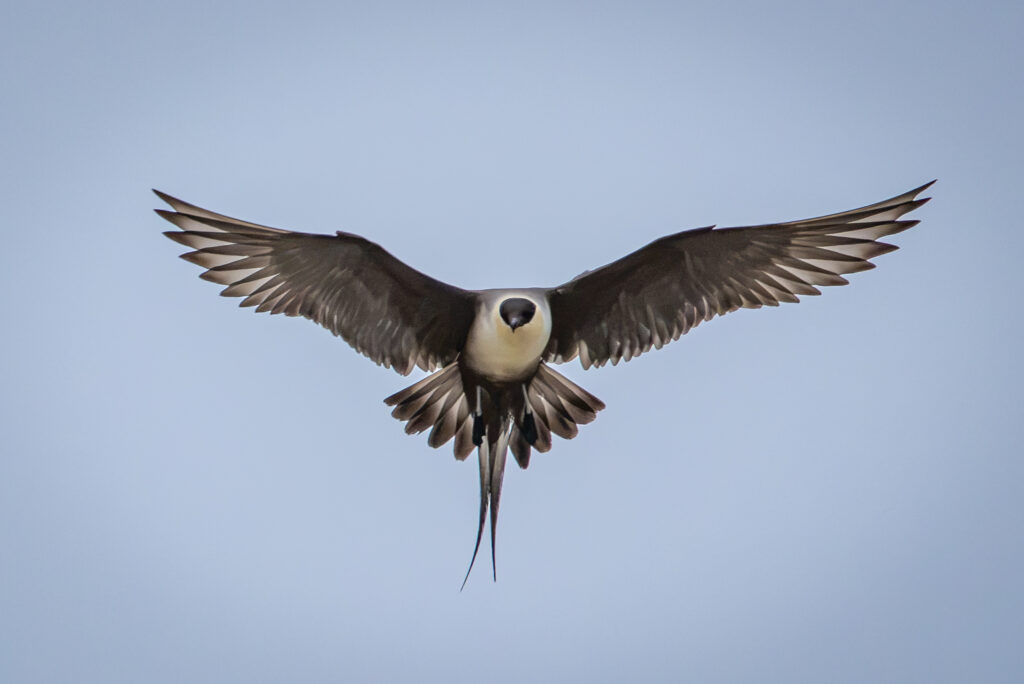
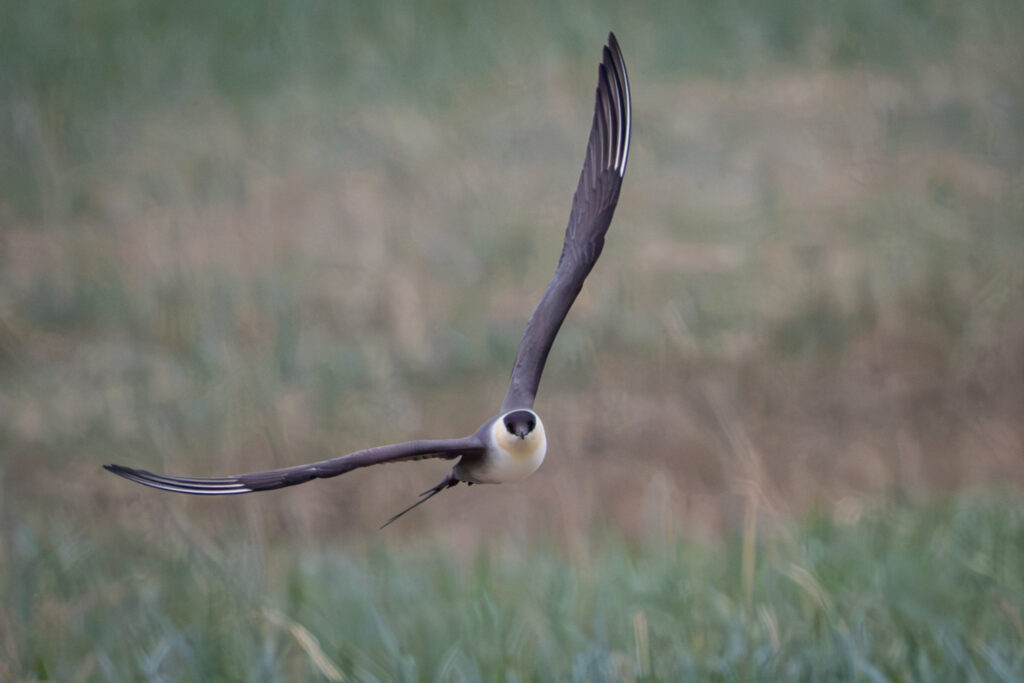
Since the BIF shots are easier to take I thought I’d share some of them with you today. All were taken in the Nome area and some of them were Lifers. We start with one of the most observed Lifer there, the Long-tailed Jaeger. Long-tailed Jaegers are usually found far from shore but in the summer they head to Alaska to breed. When at sea they hunt for fish – when breeding on land they seek mice and voles. To do so they are very adept at hovering, which gives ample opportunity for BIF shots like the ones below. The first one reminds me of the angle of death…
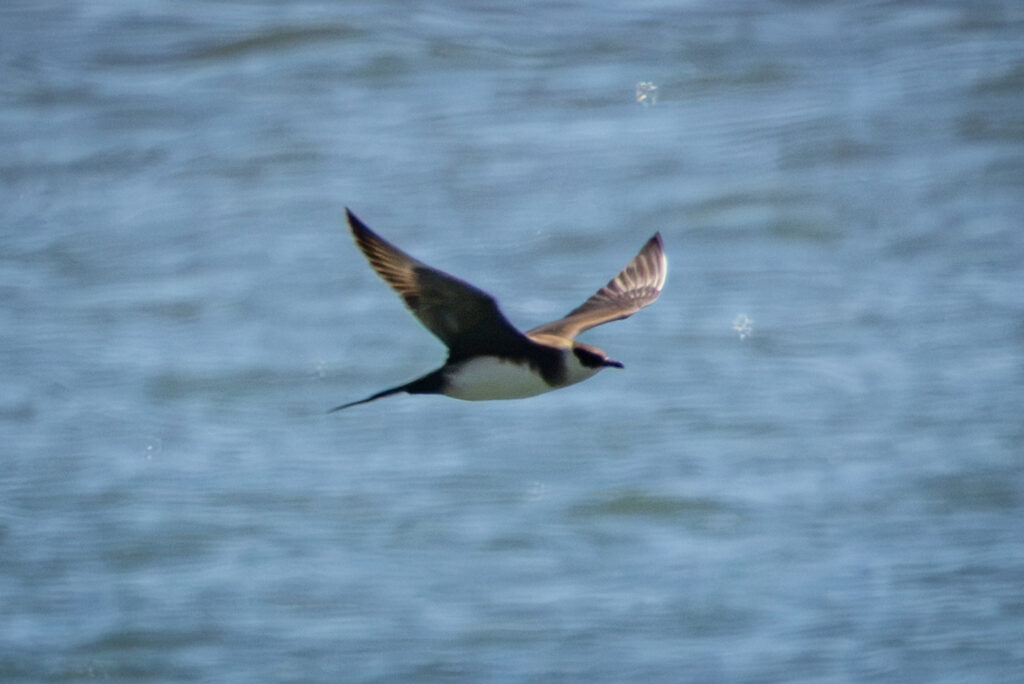
There were two other types of Jaegers there – the Parasitic and Pomarine but I only go this poor shot of the Parasitic out over the Bering Sea.
Another Lifer seen up in the Nome area was the Aleutian Tern. These graceful seabirds wore often mixed in with Arctic Terns but were easily identifiable by their black mask. They breed here in the summer and go to the other side of the Pacific Ocean, like the Philippines, in the winter.
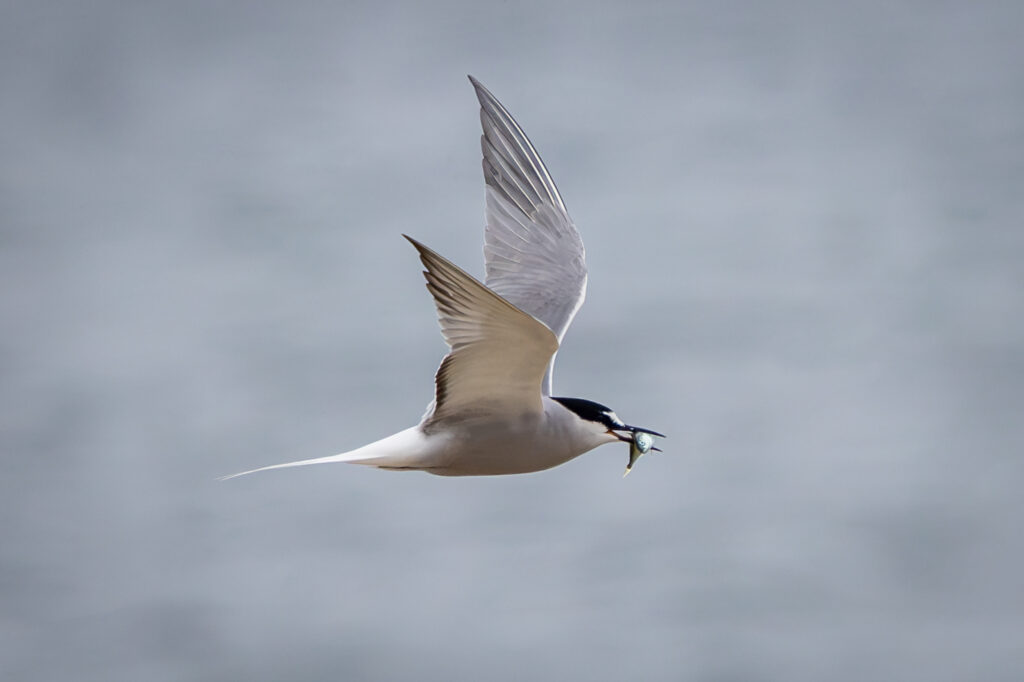
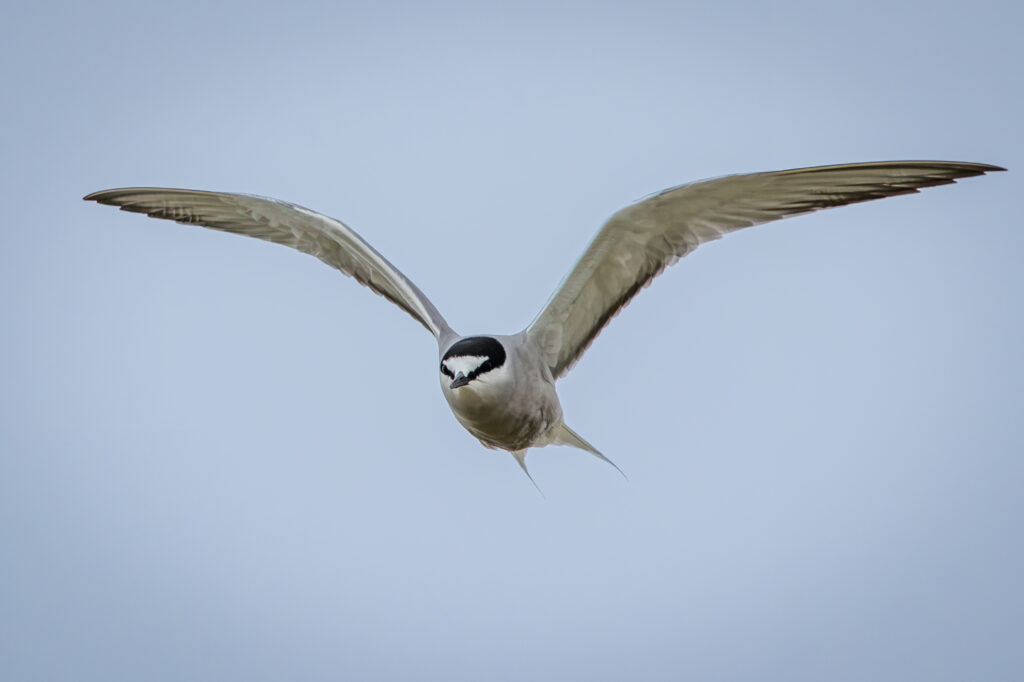
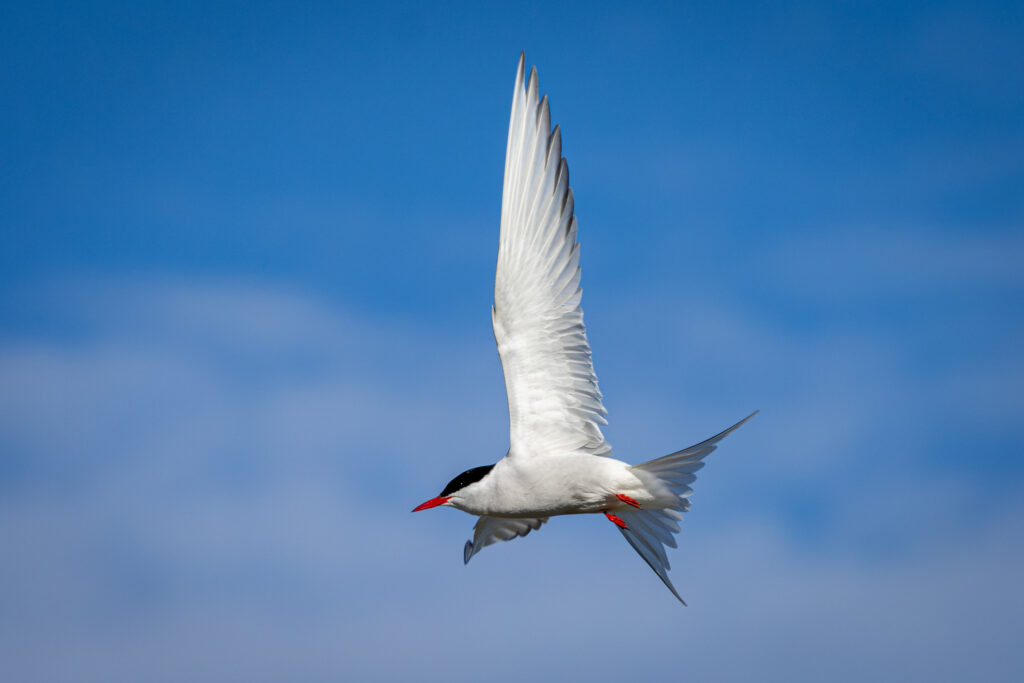
Although we saw the Arctic Tern in Anchorage several times we saw many more in Nome. Their long wings allow them to migrate as far south as Antarctica for the winter!
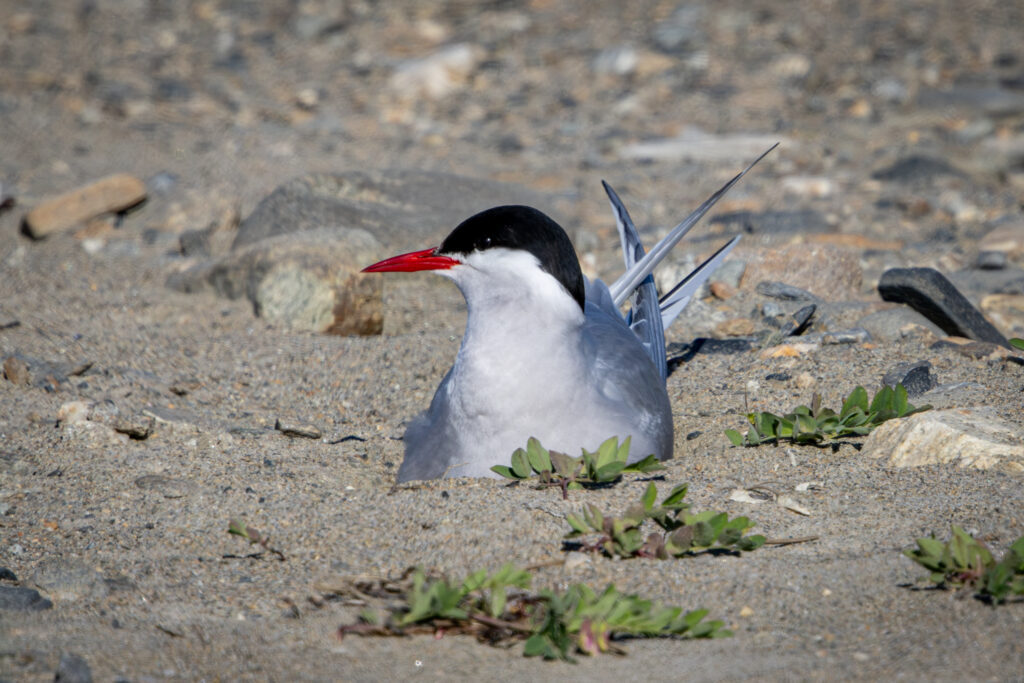
Here an Arctic Tern sits on its nest not 5 feet from the road, unperturbed by our presence.
We did see lots of Black-legged Kittiwakes in Anchorage as well so even though it’s not a Lifer I liked this BIF of one bringing home the bacon from the Baltic Sea in Nome. I assume that it is taking the catch back to the nest for the chicks – otherwise it probably would have eaten it by now. You get a good look at its black legs, too.
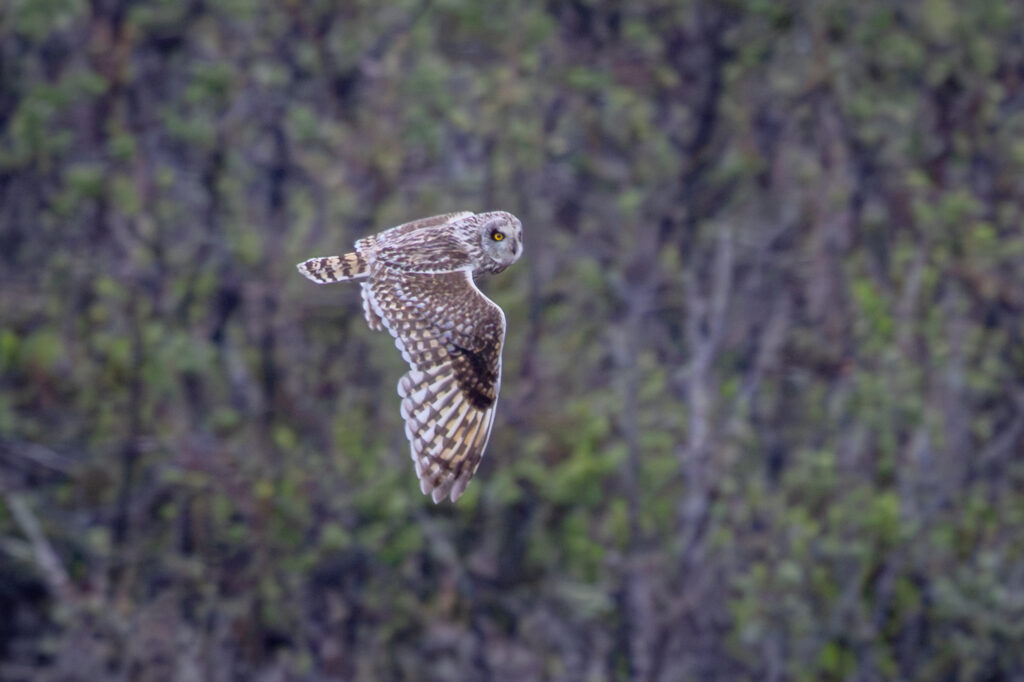
Short-eared Owls migrate down to the midwest to be in a warmer climate than Alaska during the winter but they breed up there during the summer. We were on the Nome-Taylor Highway that leads north into some forested areas, as you can see in the background.
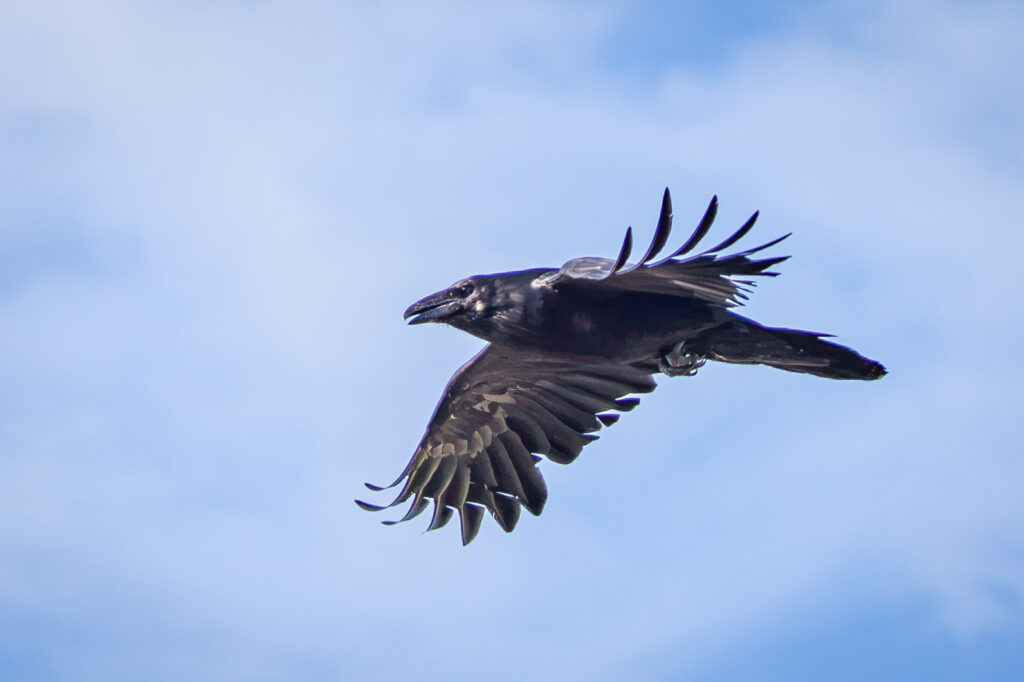
Finally, we often saw huge Ravens fly by in Nome – they can be found along the Rocky Mountains in the Lower 48, and are fairly numerous in Alaska.
Next week more Nome birds with some you may know because they can be found in the Lower 48 more often.
This is the eighth post about my Alaskan bird tour. It started in Anchorage, then went to Seward, Nome, and Barrow; additional posts will be shared each Monday. CLICK HERE to see all the posts about our Alaskan Bird Tour.
Karen and I have had the opportunity to travel to many interesting places in search of birds. If you would like read about some of our other Bird Tours CLICK HERE.
If you enjoy seeing beautiful pictures of birds from around the world and reading about them CLICK HERE to sign up for our mailing list. Members can post their own GreatBirdPics and learn more about bird photography techniques.