Last week I presented three different crops of a Silver-throated Tanager photograph that I took in Costa Rica in January, 2026. In a first for these exercises we have a dead heat! Exactly 33.33% voted for each image. Below are some of the comments made in favor of the images – perhaps after reading them you’ll come away with a different impression.
Image 1
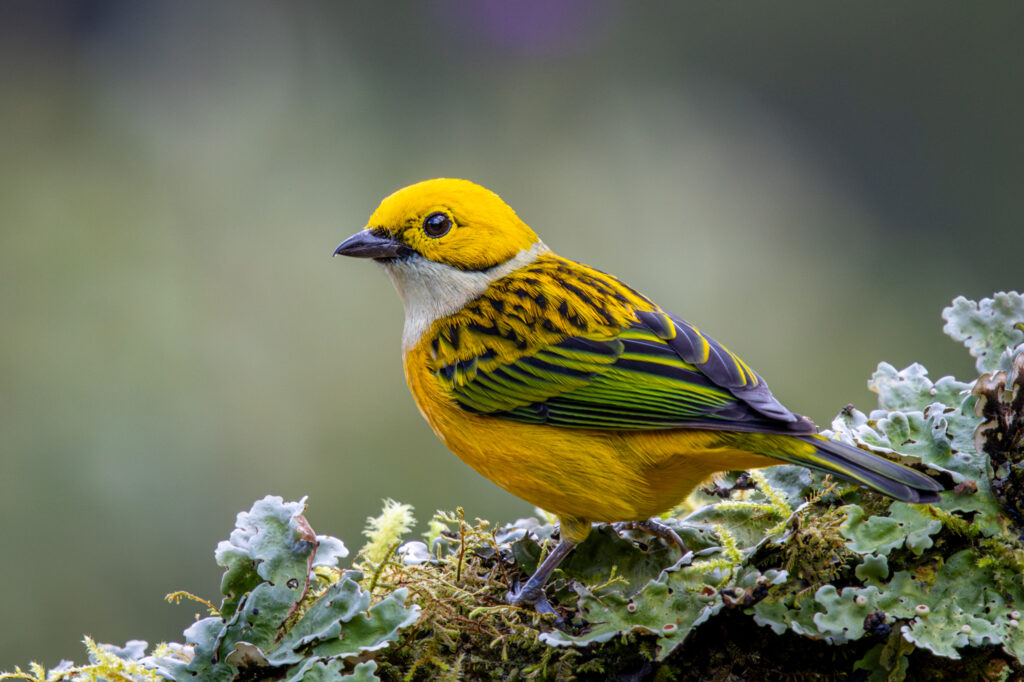
Those who voted for Image 1 said that they just really liked looking at the bird and that the vegetation on the perch wasn’t an issue. The bird took up the most space in this version, which gave the viewers the best look at the colors and detail.
Image 2
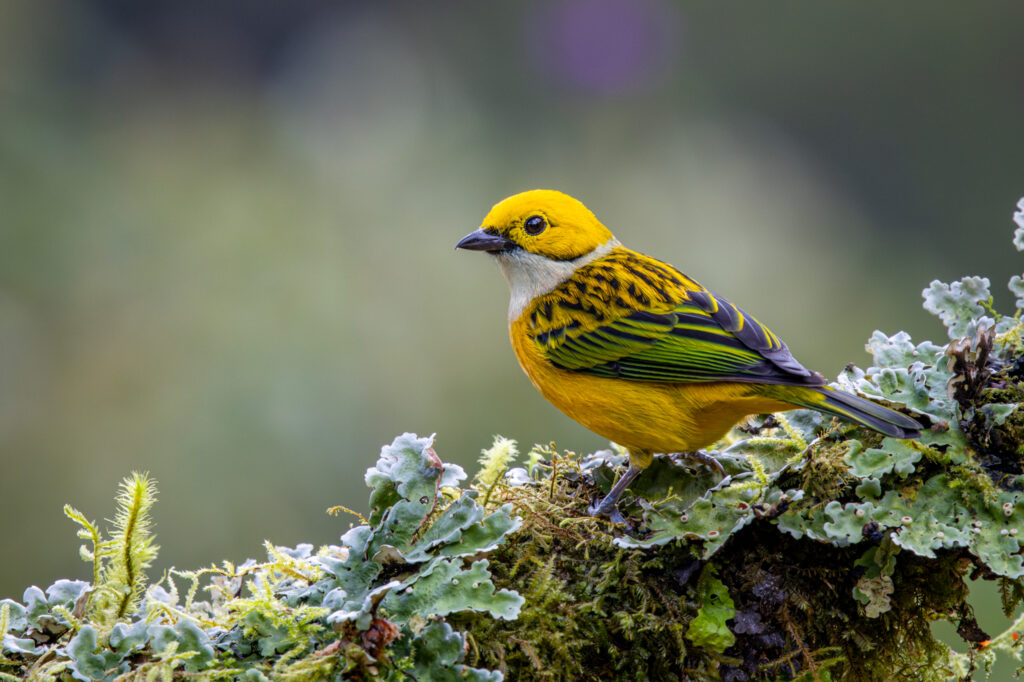
Both Emil Baumbach and docshaf said they liked this view because it gave a nice proportion between the amount of space the bird and the perch took. Others said that they liked seeing some of the habitat in the scene. Others felt that Image 3 showed too much vegetation, taking away from the bird – this was their Mama Bear version because it was “just right”.
Image 3
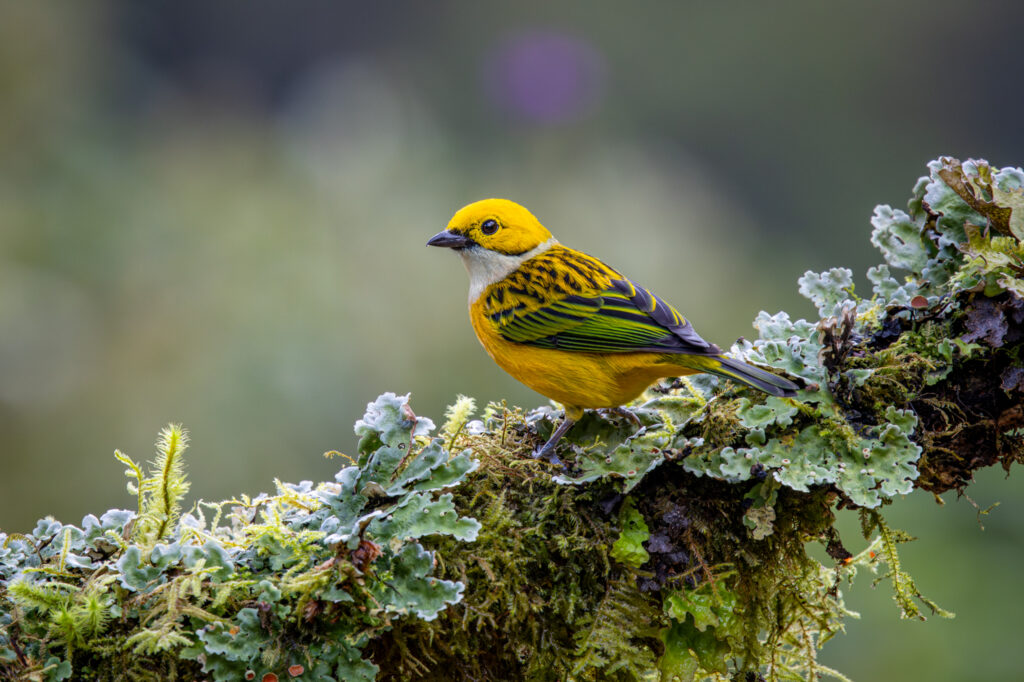
In the Papa Bear version (which showed the most perch) Paul Demkovich said he liked looking at all the vegetation clinging to the branch. Others said it added interest to the shot.
One person mentioned the purple dot above the head of the bird and I had never noticed it before! I’m pretty sure it is a violet flower off in the distance. They said they preferred Image 1 because some of the purple was cropped out (and suggested a deeper crop to eliminate it).
As for myself I like Image 2 the most. I love seeing all the vegetation on the perch as it gives you a sense that you’re in the tropics, and Image 2 shows more of that than Image 1. Image 3 diminishes the size of the bird to the point where you lose interest in it quickly, but I can see why some preferred seeing all that foliage.
Thanks to all who weighed in. More photographs to compare in the future.
If you enjoy seeing beautiful pictures of birds from around the world and reading about them Click Here to sign up for our mailing list. Members can post their own GreatBirdPics and learn more about bird photography techniques.