Our latest contest, “In and Around Water” was a great success with over 170 entries submitted by many of our artists. Thanks again to all who shared their Great Bird Pics with us – I enjoyed viewing them all. Xwinger and I did the judging together via Zoom and after a first pass through we went from 176 entries to about 100. After our second review we had about 60 entries left. At this point it became very difficult to eliminate entries from consideration, but we went through the remaining photographs again and got the list down to around 30. After one or two more passthroughs we finally got it down to 11 (one winner and 10 Honorable Mentions).
I want to share some of the things Xwinger and I discussed as we looked at each photograph in order to decided if it would be retained for further consideration. The first criteria was always focus; if a shot was in the least bit out of focus – particularly the eye/head – it was usually rejected in the early stages of judging. Focus is not to be confused with Sharpness – anyone can increase the Sharpness of a photo during post-processing but if the image is not in focus Sharpening doesn’t improve the quality. Take one of my shots from Ecuador of a Torrent Duck below:
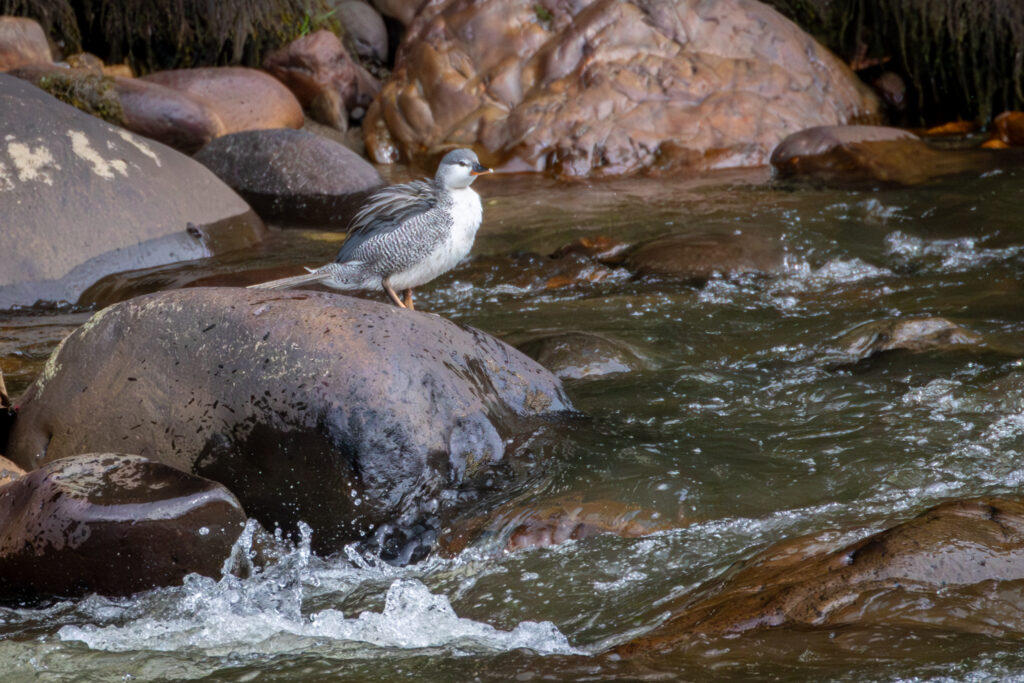
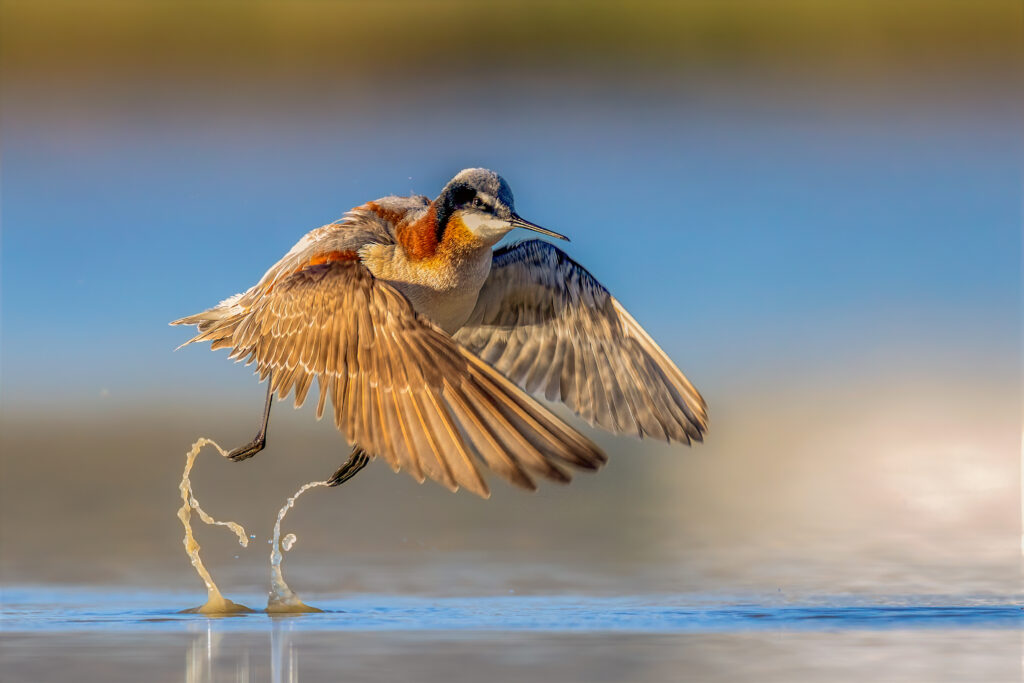
It’s a pretty picture but when you look at the duck itself it isn’t tack-sharp. This was probably due to the long distance I was taking the shot from – cropping down a photo reduces how much detail is captured. On the other hand take a look at our contest winner again – the head is tack-sharp in spite of the motion of the bird. Note that the wings are not tack-sharp, probably due to the depth-of-field, but because the head was in sharp focus it became a winner.
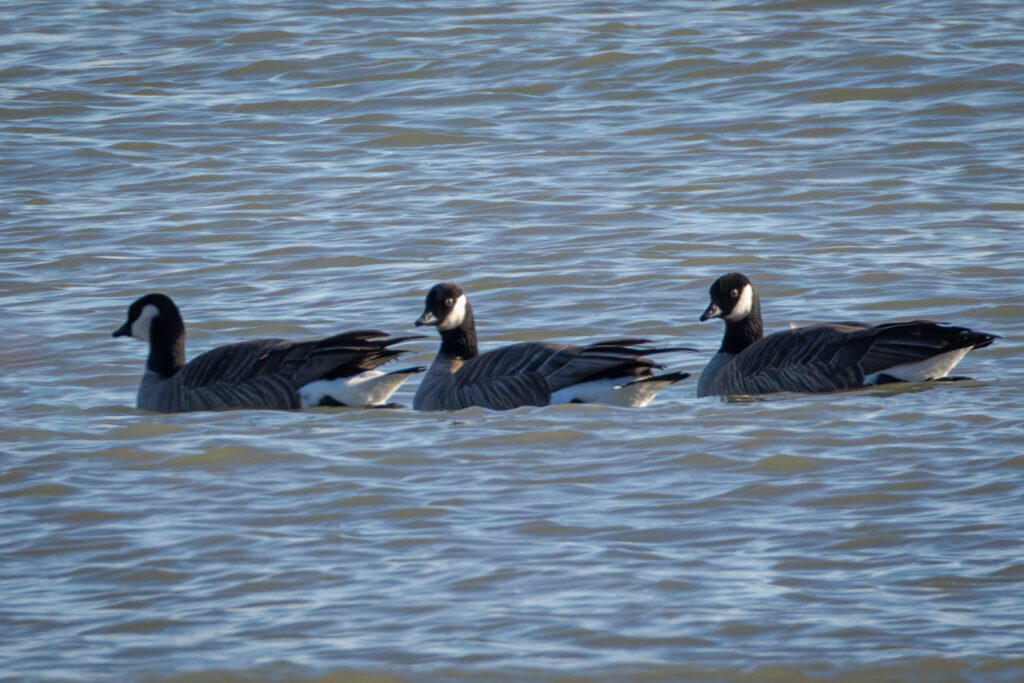
Here’s another one of my pictures that misses on the focus and just as importantly, it lacks action. As we narrowed down the field of in-focus entrants we often looked for action or activity in the shot. I shared this picture of Cackling Geese on GreatBirdPics.com because they are relatively rare around Chicagoland but when you look at the photo you’ll notice that it lacks sharpness (again due to a large crop) and the birds are just sitting on the water. There is no activity to engage the viewer. We had lots of entries that didn’t make the cut because of this – they were Great Bird Pics of a bird just sitting in the water. Great to share with others, but not interesting enough to be a contest finalist.
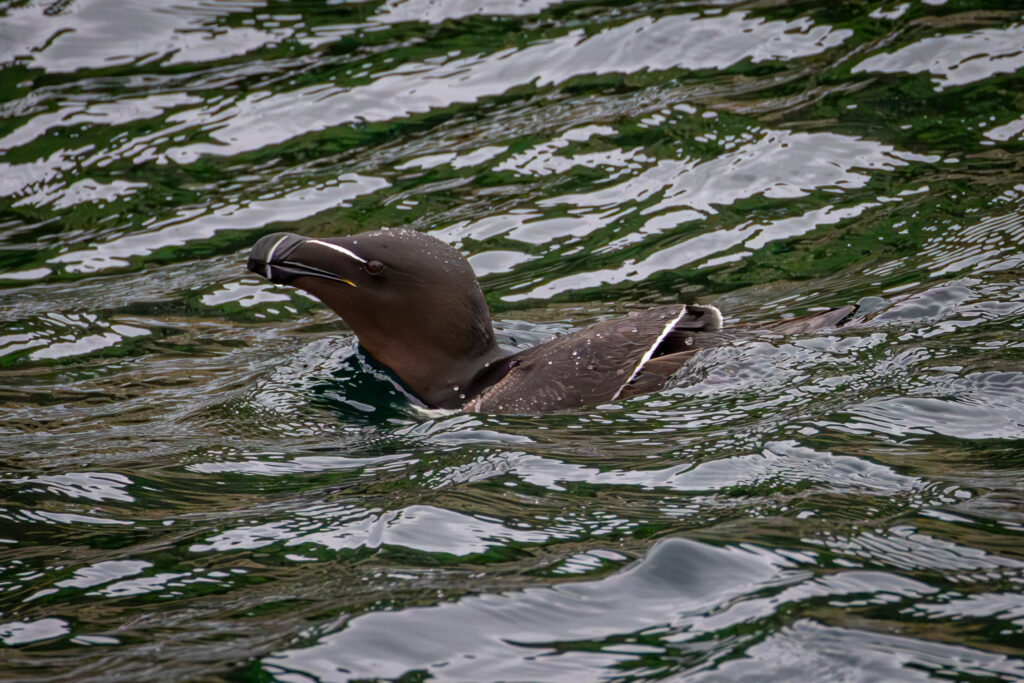
A corollary to the previous point about the lack of action is that just because a bird is rare, unusual, or even beautiful it doesn’t mean it’s a great shot. We had many entries of birds I’ve never seen before but if they lacked focus or activity they didn’t get very far in the judging process. There were exceptions to this, such as Mike Affinito’s beautiful shot of a Cinnamon Teal. However in most cases even pictures of interesting birds like my Razorbill below, they were rejected if they lacked action.
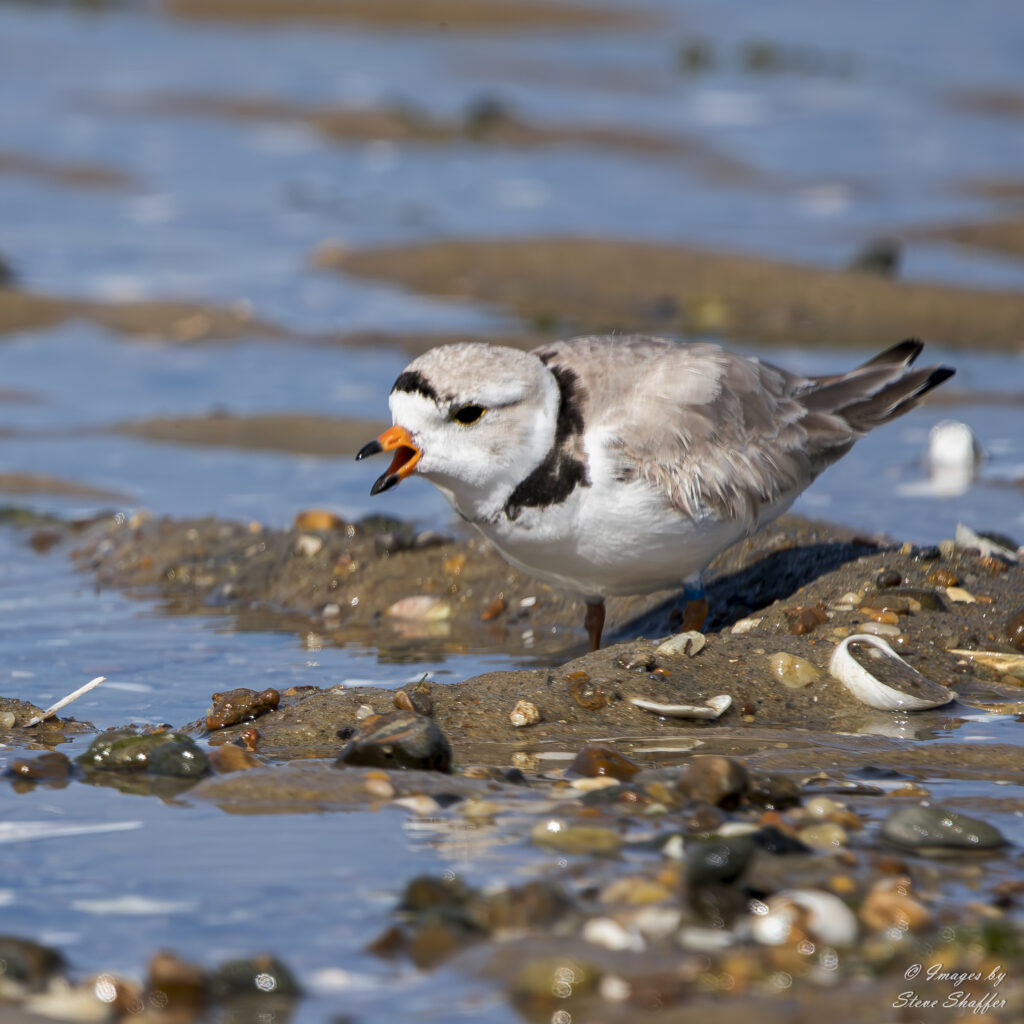
Another consideration we discussed was if there was something other than the bird that held our attention. Here’s docshaf’s shot of a Piping Plover that was named an Honorable Mention. After looking at the bird, the seashells caught our attention. They made the image more interesting to look at.
Finally, lighting influenced our decisions. Several entries had lighting similar to my shot of a Horned Grebe below:
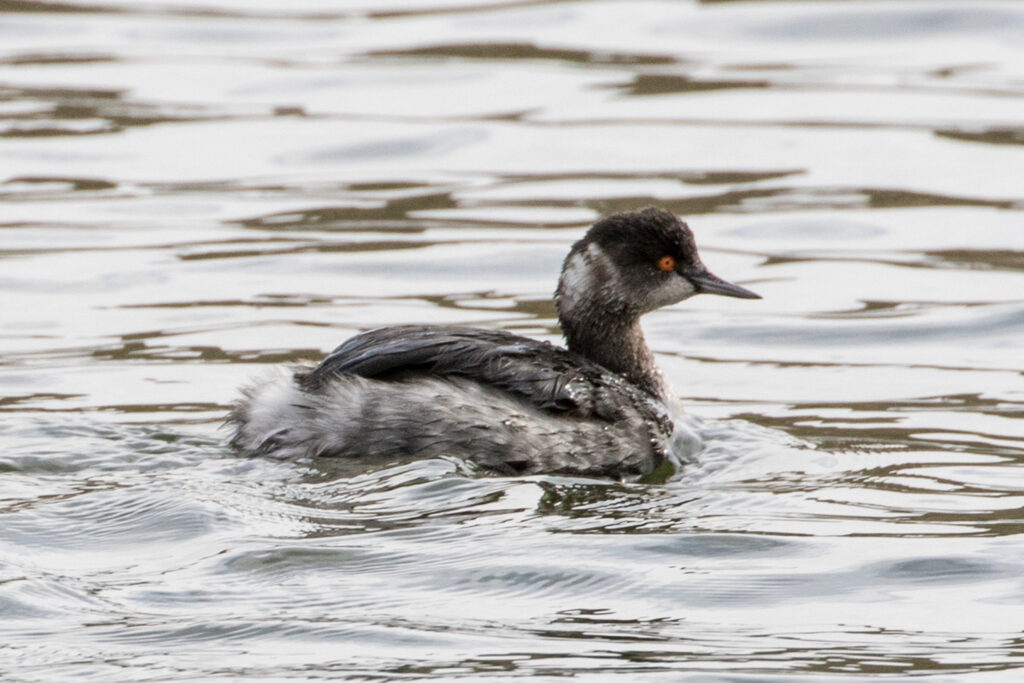
The bird is in focus but the backlit water just washes the entire shot out. I know better than most that sometimes you just can’t do anything about the lighting, particularly when the bird is on water (or up high in a tree). It doesn’t make it a bad picture, but it does make it hard to give it a high rating in a contest.
I hope this helped to give you a little insight into the judges’ thinking as we narrowed down the field of entries. Regardless of the contest’s theme the criteria used to judge the entries are the same as described above. Good luck in the next contest!
If you enjoy seeing beautiful pictures of birds from around the world and reading about them Click Here to sign up for our mailing list. Members can post their own GreatBirdPics and learn more about bird photography techniques.